What Your Optometrist Wants You to Know
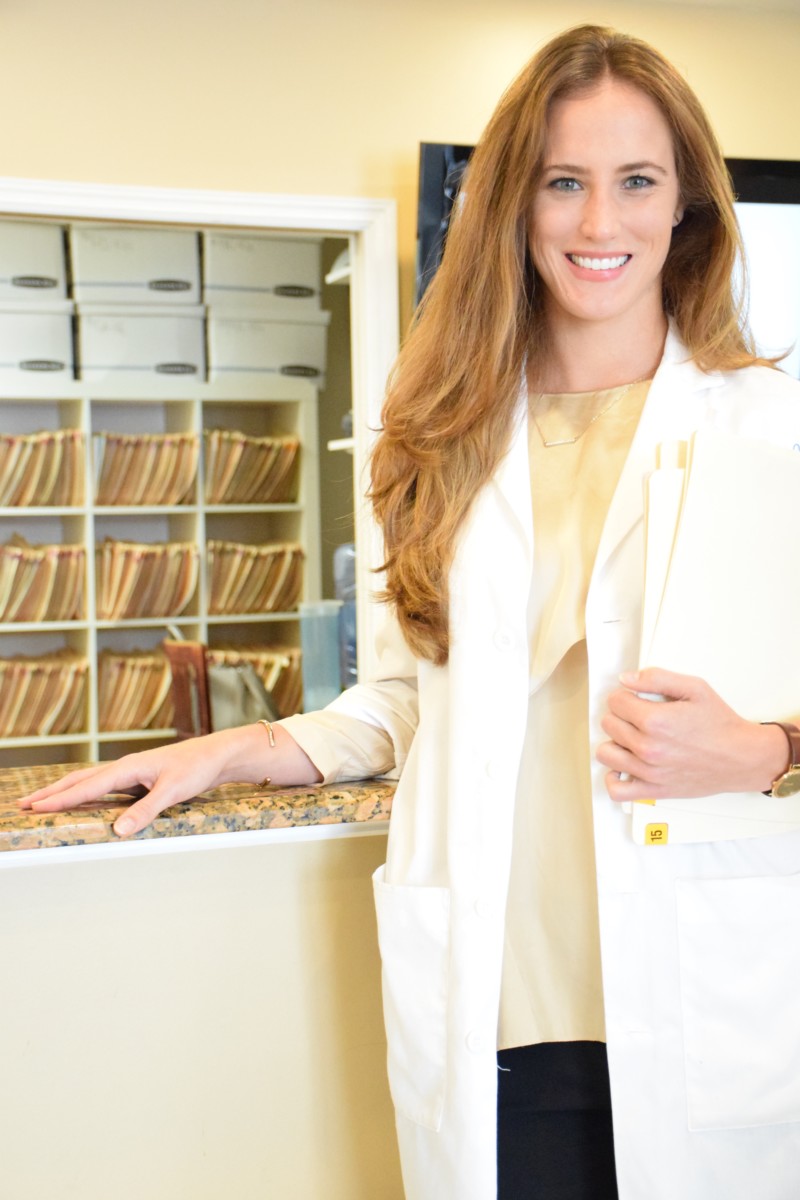
Meet Dr. Jacqueline Westcott, another one of my brilliant doctor sisters, and one of the best optometrists in the Palm Beaches! Dr. Westcott is an alumni of Nova South Eastern college of Optometry. She then went on to pursue her residency in ocular disease at SUNY College of Optometry, and became a fellow of the American Academy of Optometry. Dr. Westcott is a published doctor in the American Academy of Optometry’s Optometry and Vision Science journal.
What is your biggest piece of advice you would want to give to your patients?
A comprehensive eye exam with dilation should be a yearly priority. Even if you are not symptomatic your eyes are a dynamic organ and need to be checked. One should not wait for symptoms to appear; some blinding eye diseases and/or systemic conditions have little to no warning signs and can be devastating. A yearly exam is the only way to be preventative and proactive about one’s vision and ocular health.
Is there a specific dietary lifestyle that promotes healthy eyes?
Yes, the best diet for eyes consist of foods that are rich in antioxidants, as they help reduce the amount of inflammation in body; inflammation has been implemented in the pathophysiology of many disease processes. Leafy green vegetables, like kale, spinach, romaine lettuce, collards, turnip greens etc, are high in lutein and zeaxanthin, two carotenoids found in the healthy eye. The american diet is always lacking in these two carotenoids that are believed to lower your risk for age-related macular degeneration (AMD) and cataracts. Eggs are also a good source of these nutrients, as are broccoli and peas. Diets rich in omega-3 fatty acid from cold-water fish like salmon, tuna, sardines and halibut reduce the risk of developing eye disease later in life. Foods that are high in vitamin C are also a benefit to the eye; scientists have found that your eyes need relatively high levels of vitamin C to function properly. Lots of other foods offer benefits similar to oranges, including peaches, red peppers, tomatoes and strawberries. Most people correlate eye health with eating carrots. Carrots are high in beta-carotene, a nutrient that helps with night vision, as are other orange-colored fruits and vegetables like sweet potatoes, apricots and cantaloupe. Having a colorful diet rich in fruits and vegetables can help you keep your eyes healthy.
What do you wish your patients knew about you?
Optometrists are primary eye care providers, well versed in all aspect of ocular health ranging from eye disease to pediatrics to contact lenses. We have undergone 4 years of post graduate/doctorate school (just like medical and dental students) and some further specialize in residency. We are not just prescribing glasses and I wish the general public would be more aware of the breadth of knowledge learned, as we are primary care physicians. As a primary eye provider, I always advocate for my patients needs, of both ocular and systemic health, offering appropriate recommendations and referrals to achieve optimal health.
How can you tell the health of a person by looking at their eyes?
The eyes are a very revealing organ in regard to a patient’s overall health and lifestyle. By undergoing a comprehensive eye exam with dilation many diseases can be screened for and appropriate steps implemented in an effort to cure and/ or prevent progression. These conditions range from the vast amount of eye related diseases, binocular vision and/or eye-teaming issues (how well your eyes are working together and in conjunction with the brain), chronic /acute headache, heart disease /cardiovascular issues / increased risk for stroke, diabetes, cholesterol, cancer or tumors, thyroid problems, autoimmune conditions/HIV/Multiple sclerosis, vitamin deficiencies, genetic conditions, allergies, neurological conditions, and neurodegenerative disease (current research is linking findings in the retina to early onset Alzheimers).
Can you share an experience with a patient that affected you in some way?
Yes, one of the more rewarding aspects of my job is when I help my pediatric patient population. I love watching babies’ reactions when they see the world clearly for the first time; one case in particular brought tears to both myself and the mothers eyes as her baby stared at her mothers face and stroked her cheek smiling, seeing her clearly for the first time. Moreover, I enjoy helping children in such ways that no only improve vision, but their overall quality of life. I have seen children change during treatment / management… personalities blossom and self esteem improves.
What is a common myth that most people believe that you battle daily?
-Wearing glasses does not make your eyes weaker or harm your eyes (granted they must be the right prescription obtained from an competent doctor).
-Never sleep in contact lenses unless explicitly instructed to do so by your doctor.
-Contact lenses cannot go behind the eye or float into your head.
-Over the counter glasses are not for everyone.
-Just because a patient may see 20/20 does not mean that they absolutely do not require glasses.
-At some point, everyone will get presbyopia and cataracts.
-Online refractions/vendors do not replace an EYE EXAM BY A DOCTOR with dilation; more often those instruments/machines are WRONG. Most online retailers do not have the expertise and are not regulated by the FDA. They cannot provide important measurements, binocular vision evaluations etc which meaning less precision and accuracy with probable long-term discomfort and strain on your eyes.
What kind of advice do you have for parents of young children?
-PLEASE have your child’s eyes evaluated by an eye doctor. The screeners preformed by pediatricians and at school are not in-depth and more often misdiagnose a child with ADHD/ADD and/or a learning deficit when all they require is a pair of glasses.
-Headaches in children are more often correlated to the visual system rather than a manifestation of a neurological condition; if you child is complaining about headaches please have their eyes examined.
-An eye exam should be preformed at 6 months, 1 year, and then yearly after
-Your child may not know that their vision is reduced since they have no baseline to compare it too. Their blurry view of the world is what they think is normal. Parents must be aware and advocate for their children.
What is the biggest factor for eye damage that is not genetically related?
UV exposure can precipitate ocular surface changes as well as early onset cataracts. In addition, poor diet and overall unhealthy life styles can affect ocular health and vision.
What is a common bad habit that people have that they don’t realize damages their health?
Abusing contact lenses. A contact lens is a medical device. It is a foreign piece of plastic patients are inserting into the eye. Patients sometimes fail to grasp this. The material is not manufactured to last past the wear schedule; it degrades and can have deleterious affects toward ocular health. The material becomes coated in debris, deposits, bacteria, make-up etc on the microscopic level that can illicit a reaction from the eye (even if the patient exhibits proper contact lens hygiene). Extending the wear of disposable contact lenses can lead to irritated, red, itchy, sore eyes, and possibly severe infections such as corneal ulcers. The cornea requires a large amount of oxygen, contact lens, limit the amount of oxygen the cornea obtains. If patients abuse the wear schedule they can unknowingly cause a hypoxic cornea, which can lead to infection, neovascularization, and possible scarring. Moreover, many patients do not follow proper cleaning instructions; some will use tap water, reuse solution, and not replace their cases. All these bad habits increase risk for contact lens related issues.
To contact Dr. Westcott, please refer to the information below.
Jacqueline C. Westcott O.D., F.A.A.O.
Optometrist
Fax: (561) 630-7066


Brains and Beauty. What a babe!
This is some great information, and I appreciate your point that wearing the proper prescription of glasses won’t make your eyes weaker. I’ve been having some problems with my vision, but I’ve been scared to visit an optometrist because my dad believes that wearing glasses only makes your vision worse. Knowing that that isn’t the case, I’ll definitely go in for an eye exam in the near future. Thanks for the great post!
It’s interesting how you point out that just because you see 20/20 does not mean that you absolutely do not require glasses. I’ve always had really good vision, so I’ve never considered going to an optometrist. But maybe I should schedule an appointment with one just in case there is something with my eyes that requires help.
I like that you mentioned that a comprehensive eye exam with dilation should be a yearly priority. I think that if you don’t have an eye exam every year then you might not learn of problems that you might have with you eyes until you go back. I think that health in your eyes is a very important thing because you use them every day.
I appreciate the information on what your optometrist wants you to know. I agree that it is so important to have your eyes checked on regularly because it can really make the difference for your eyes and help you to improve your vision or even keep it. I would imagine that there are a lot of conditions that an eye doctor can catch that other people would have no idea that it is even there.
Thanks for bringing to my attention the importance of having your child’s eyes evaluated by a professional. My son has been having some problems at school, and I was wondering if he maybe had ADHD or something, but maybe he just can’t see too well. Perhaps it would be a good idea to take him to an optometrist to get his eyes tested before we make any decisions.
I want to make sure that my eyes are healthy. It makes sense that the first step to that would be going to an optometrist to have them tested! There’s always the chance that I need glasses.
This is some great information, and I appreciate your point that wearing the proper prescription of glasses won’t make your eyes weaker. I also suffered from the same issue and then i consult to the Optometry Specialist Dr Paul J. Olsovsky – He is a biological professor with 15 year of experience. 26 years of experience in Optometry. He worked in a different hospitals and now serving his services in Oregon. He is specialist in his field and i am one of his client and very satisfied with his services.
Definitely must-knows. Indeed, child eye examination is important. In fact, we always advise to include this test in before start of school year checklist as a very significant part of learning preparations.
I didn’t know that UV exposure could cause problems with your cataracts. It would be important to get glasses or contacts that have UV protection than in order to push off the effects of cataracts for as long as possible. The optometrist would obviously have some good recommendations on materials to use in your glasses to ensure you can see well and protect your eyes as well.
I appreciate you helping me learn more about an optometrist. My younger brother is wearing prescription glasses and he needs to read this information for a much better understanding. He’ll be happy with this helpful information, I am sure of that!
My family has a history of poor eyesight. So, I liked what you said about at some point everyone will develop cataracts. That is a good thing to be aware of when you are thinking about not visiting an optometrist.
It’s interesting how you said that an optometrist can tell how your health and lifestyle are through your eyes. We have a daughter who is getting pretty blurry vision and knowing what is wrong would be really helpful. Getting her to an optometrist would be a great idea it seems!
I am glad you said to never sleep in contact lenses unless explicitly instructed to do so by your doctor. I need to go to the eye doctor next week. Thanks for the tips on optometrist.
Thank you doctor for raising awareness of bad habits people may have and their consequences over time.
Our vision is so important and everyone should prioritize annual checks, don’t wait until it’s too late and cost of correction becomes too high.
I’ve been having some eye problems as of late. I think it would be a good idea to go in for an eye exam. As you said, being there in person is probably the best thing to do.
Thank you for your statement that just because you see 20/20 does not mean that you absolutely do not require glasses. I’ve always had really good vision, so I’ve never considered going to an optometrist, and have never been before. After reading your article, and learning more about why it’s important to go to the optometrist, I will definitely schedule an appointment with one soon just in case I need glasses or there’s something wrong with my eyes.
I never took into account the fact that a rich in antioxidant diet could promote healthy eyes. From my point of view, having a healthy diet is essential to promote good health; but I’m amazed knowing that there are specific diets to follow in order to keep your eyes healthy. I will get in contact with an optometrist to look for the best diet for me and my eyes.
I’m surprised to learn that eating healthy foods like kale and spinach could actually improve your eyesight! My wife and I eat a lot of junk food in our daily lives and I never thought that could affect my vision. I’ll have to talk to my wife about starting a healthier diet so we both don’t go blind.