What Your Dentist Wants You To Know
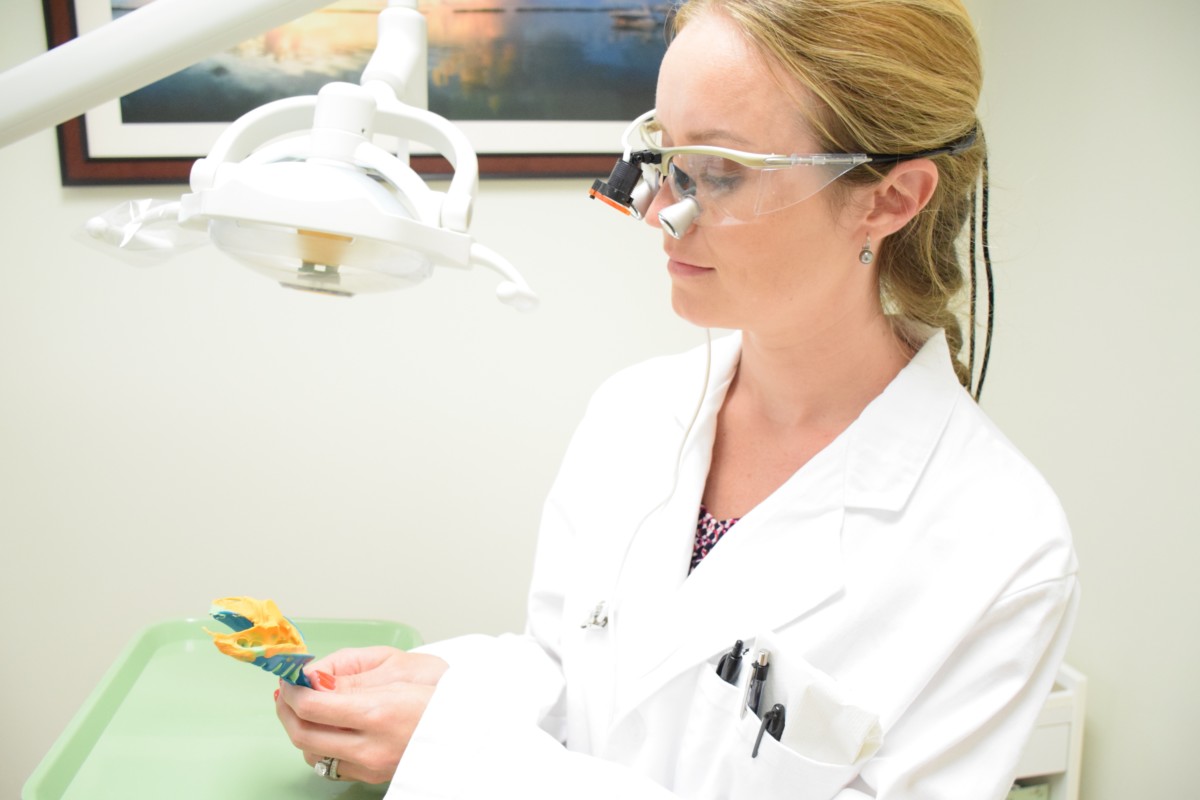
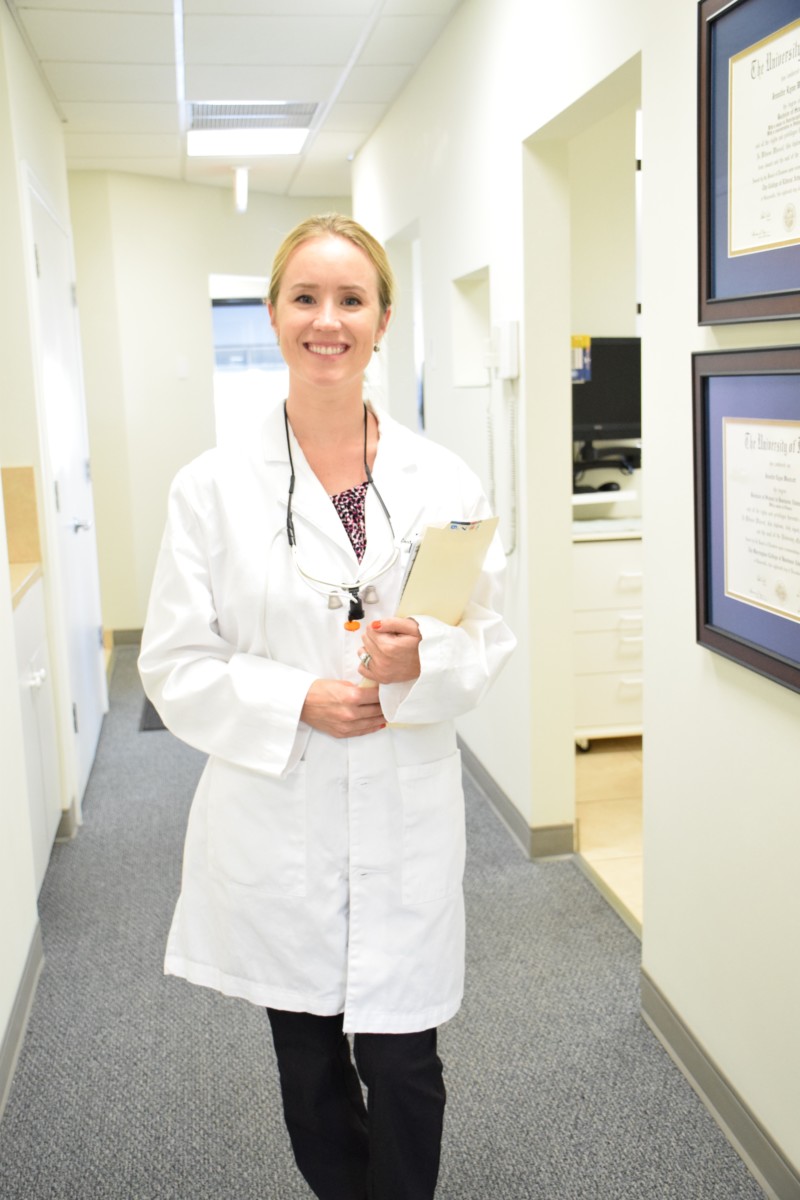
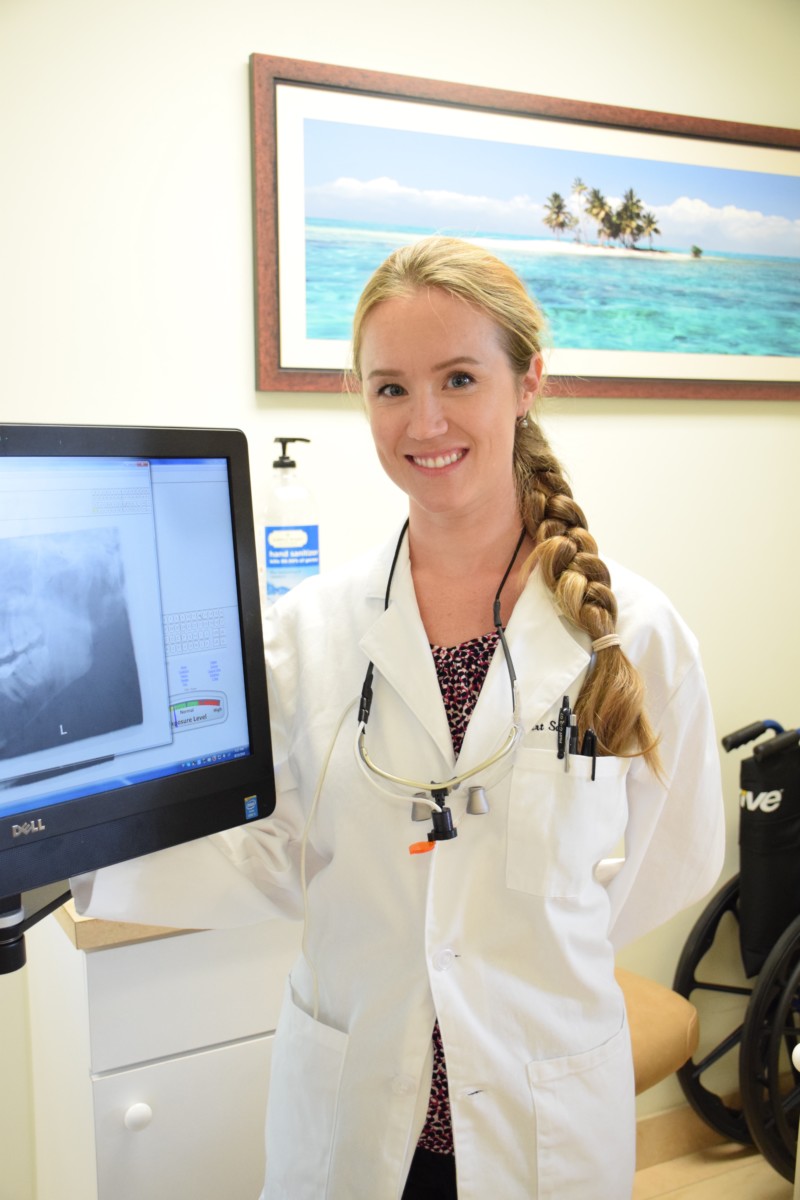
Ever wonder what your dentist is thinking? Is there anything that you wish you could ask them? I was able to interview one of the best dentists I know, my sister Dr. Jennifer Westcott of Family Dental Care, in Palm Beach. Dr. Westcott graduated from UF Dental school at the top of her class, and is trusted and loved by her patients and staff.
What is the biggest piece of advice you give your patients?
Use string floss. So many problems arise from not flossing, which can lead to gum disease and cavities developing between the teeth. Proper flossing technique involves scooping the floss below the gumline, where bacterial plaque can build up. This plaque is known as a “biofilm”, and our bodies’ natural defenses cannot attack inside a biofilm. Therefore, we need to physically clean our tooth surfaces with flossing and brushing every day. Mouthwash can make your mouth feel fresh, but it does not penetrate the biofilm. There is no substitution for physically removing plaque.
Is there a specific dietary lifestyle that promotes healthy teeth/eyes?
Our teeth are shaped to allow us to eat an omnivorous diet, which means we are supposed to eat a balance of meats and plants. Enamel, which is the hardest substance in our body, will start to dissolve if the pH of the mouth drops to 5-this is called “demineralization”. Our enamel undergoes daily cycles of demineralization (where minerals are pulled out of the enamel during acid attacks) and remineralization (where minerals from our saliva reform the enamel crystals). Eating whole, healthy foods promotes good oral health by strengthening our immune system and minimizing acid attacks on the enamel. Timing is also important. We should eat our meals in short periods, rather than grazing and snacking all day long. This promotes more time for remineralization.
What do you wish your patients knew about you?
When creating a treatment plan, I consider the patient’s goals and expectations, as well as the necessary steps for achieving stable oral health. I am not trying to “find problems,” but rather I am offering solutions.
How can you tell the health of a person by looking in their mouth?
Looking into someone’s mouth reveals a lot about their health. First, I can tell how much they take care of their teeth and gums, which often correlates to how well they eat or care for their body. Second, I always perform a soft tissue exam, looking for any lesions that may indicate viruses, autoimmune diseases, bacterial infections, fungal infections, or malignancies. Next, I can get an idea of the inflammation happening in their body by assessing their gum disease status. There are proven links between gum disease and heart disease and diabetes, and now new studies are linking it to Alzheimer’s.
Can you share an experience with a patient that affected you in some way? (made you happy, sad, touched your heart)
Patients often cry in the chair after I restore their smile and they see themselves for the first time in the mirror. It’s a great feeling. I also find it rewarding when I can get people out of pain on a daily basis.
What is a common myth that most people believe that you battle daily?
People believe that the dentist is just trying to take their money. I have no idea why, but this is just not the case. I really think people just don’t want to admit when their mouth has a problem.
I often hear “well nothing hurts so there is nothing wrong.” This is a huge misconception. The absence of pain does not mean an absence of a problem. For example, a small or medium sized cavity does not hurt, and can usually be restored with a filling or a crown. If a cavity hurts, then it has already affected the nerve of the tooth, and the tooth will need a root canal. Also, periodontal disease does not hurt. Gum disease can progress for years and the patient will not have pain. But, then I may have to remove all of their teeth because of loosening or infection.
What kind of advice do you have for parents of young children.
Start brushing their teeth as soon as they erupt, and continue. Don’t let a child’s resistance make you stop. Be the parent. Primary teeth are very important, since they guide the development and eruption of permanent teeth. Use fluoride toothpaste and brush at least twice per day. And, if the primary teeth get cavities, let your dentist fix them.
What is the biggest factor for teeth damage that is not genetically related?
The biggest factor is patient compliance with home oral hygiene. If their home care is lacking, no amount of dental work is going to fix their problems.
What is a common bad habit that people have that they don’t realize damages their health.
Clenching and grinding of the teeth often leads to sensitivity, mobility, or cracking of the teeth. Try not to clench during the day. If it’s happening at night, wear a night guard that is fabricated by your dentist. Cracked teeth are painful, and require root canals or extractions.
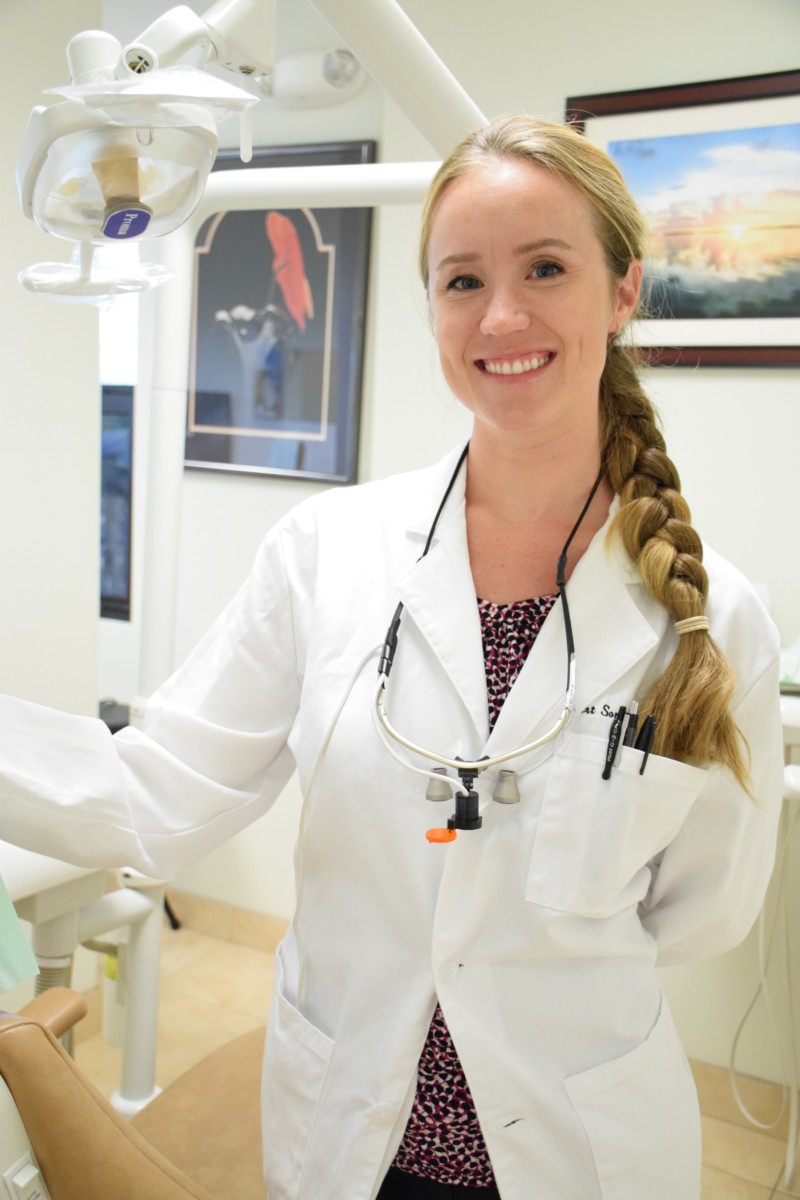
To have more of your questions answered, or to see Dr. Westcott in person, contact her office with the information below!
Jennifer Westcott, DMD
Office phone: 561-366-7303
Office fax: 561-366-7305
www.PalmBeachfamilydentalcare.com


My wife and I are considering finding a new dentist. I have a root canal that needs to be done and I would like to go to a dentist that I like and trust for this procedure. I didn’t realize that looking in somebody’s mouth could reveal so much about their health. I am trying to take better care of my mouth so that I can avoid gum disease and the like later in life. Great article!